When someone searches 'electrician near me' or 'joiner Livingston' on their phone, the first thing Google shows isn't a list of websites. It's a map with three businesses pinned on it, each with a star rating, a call button and a directions button. Most people pick from those three and never scroll any further.
That box is called the map pack, and for a trade business it's worth more than almost anything else on the internet. The good news is that getting into it costs nothing but an afternoon and some patience. We know because we did it for ourselves: we sit first for web design in Balerno, where we're based, and near the top for Edinburgh, on nine Google reviews.
What decides who shows up
Google has never published the exact formula, but it says plainly that three things matter: how relevant your business is to the search, how close you are to the person searching, and how prominent you are, which roughly means how well known and how well reviewed.
Distance is the one you can't change, and it matters more than most advice admits. We rank first in villages near us where we have no page on our website at all. So don't spend money trying to appear in a town an hour away. Spend the effort being the obvious choice where you actually work.
Step 1: claim your Business Profile
Everything in the map pack comes from a free Google Business Profile, not from your website. Search for your business name on Google Maps. If a listing already exists, claim it. If not, create one at business.google.com.
Google will ask you to prove the business is real. The method varies: sometimes a short video showing your van, tools or signage, sometimes a phone call or a postcard. Do it as soon as you're asked, because an unverified profile barely appears.
Step 2: get the basics exactly right
- Your name. Use the name on your van and your invoices, nothing more. Adding 'Best Electrician Edinburgh' to it breaks Google's rules and is a quick way to get the listing suspended.
- Your category. The primary category does more work than anything else you fill in. Pick the most specific one that matches what people search for, and look at what the businesses already in the pack have chosen.
- Your service areas. If customers don't come to you, hide your home address and list the towns and areas you cover instead.
- Your phone number and hours. Use a number that actually gets answered, and hours you actually keep.
- Your website. Link it, even if the site is simple. People like to check you out before they call.
Step 3: photos of real work
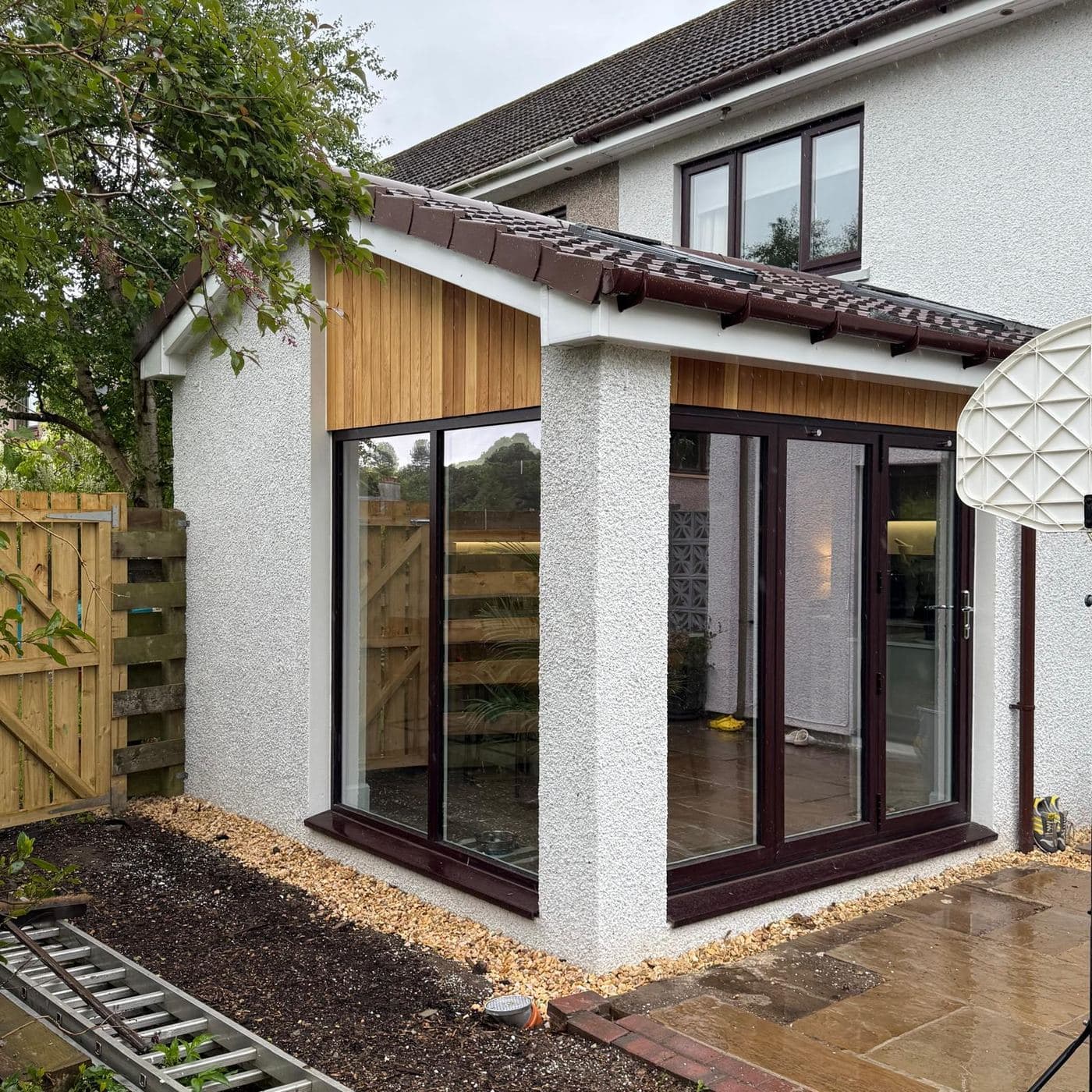
Upload photos of jobs you've done, your van, and you. Real ones taken on your phone are fine. A tidy consumer unit, a finished kitchen or a fitted bathroom tells a stranger more than any stock image, and a profile with recent photos looks like a business that's open and busy.

Add a few more every month or so. It costs nothing and keeps the listing looking alive.
Step 4: reviews, and why they matter differently than you think
Here's the part we learned from our own numbers. We reached the top of our local packs on nine reviews, ahead of businesses with thirty and forty. So reviews aren't a hard gate to ranking. Where they earn their keep is the moment after: someone looks at three pins and chooses who to call, and a row of recent, specific reviews is what makes that choice.
The reliable way to get them is to make asking part of finishing the job. When you hand over, send the customer the direct review link from your profile, with one line saying it helps a small business. Most happy customers will do it if it takes thirty seconds, and almost none will think of it on their own.
Reply to every review, good or bad, briefly and like a person. The next customer reads the replies too.
The map pack is decided by where you are, what you say you do, and what your customers say about you. Only one of those is out of your hands.
What doesn't matter as much as you're told
- A page for every town. We built one for our own village. It drew a handful of impressions and no clicks, while the profile did the ranking. Area pages can help a website, but they don't put you on the map.
- Keyword stuffing. Repeating 'plumber Livingston' through your description does nothing useful and reads badly to the people who matter.
- Paying for a listing service. The profile is free, and no paid directory submission replaces it.
How long it takes
Once the profile is verified and filled in, expect it to start appearing for nearby searches within a few weeks. Climbing higher is slower, and comes mostly from reviews and time. It's steady work rather than a trick, which is also why it's hard for a competitor to take away once you have it.
If you'd rather someone set this up properly and keep it moving, it's part of the SEO work we do for trade businesses across Scotland. Or get in touch and we'll tell you straight what your listing is missing.